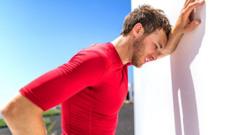
Heat exhaustion and heatstroke demand fast recognition and action. Spotting the difference between them saves lives.
Heat exhaustion arrives first. Look for heavy sweating, weakness, dizziness, nausea, headache, and muscle cramps. Skin stays pale and clammy. Body temperature climbs but stays below 40°C. Move the person to a cool space immediately. Lay them flat with legs elevated. Apply cool water to skin or wrap them in damp cloths. Give them water to drink if conscious. Fan them aggressively. Most recover within 30 minutes with these steps.
Heatstroke is the emergency. The body's cooling system fails completely. Sweating stops abruptly. Skin turns hot and red or flushed. Temperature soars above 40°C. The person becomes confused, loses consciousness, or has seizures. Call emergency services right away. Don't wait. While waiting, cool them down fast. Use ice packs on neck, armpits, and groin where major blood vessels sit near the surface. Immerse them in cold water if possible. Remove excess clothing. Heatstroke causes organ damage and death within hours if untreated.
Prevention matters most. Stay hydrated before thirst hits. Drink water constantly in heat. Avoid alcohol and caffeine, which dehydrate you. Limit time in direct sun. Wear loose, light-colored clothing. Never leave anyone in a parked car, especially children or pets. Check on elderly neighbors and those on medications that impair heat regulation.
High-risk groups include older adults, very young children, pregnant women, and people with chronic illness or on certain medications. During heat waves, these populations need special attention and frequent welfare checks. Know these signs. Act fast. Heat-related illness progresses rapidly once it starts.