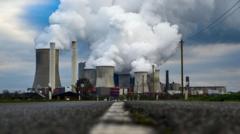
Germany faces pressure to reconsider its coal phase-out as natural gas prices surge across Europe. The nation committed to shutting all coal plants by 2038, but surging energy costs tied to Russia's invasion of Ukraine have forced a reckoning with that timeline.
Natural gas prices skyrocketed after Western sanctions cut Russian supplies, making alternatives suddenly more economical. Coal, long vilified in German climate policy, now looks cheaper by comparison. Energy security and affordability have trumped the original net-zero timeline in political calculations.
Germany currently operates coal plants accounting for roughly 30 percent of electricity generation. Reactivating mothballed facilities or delaying closures would contradict the nation's 2045 carbon neutrality target and EU emissions regulations. Yet the government faces domestic pressure from both industry and households grappling with record utility bills.
The situation exposes tensions within Europe's energy transition. Germany accelerated its nuclear exit after Fukushima and leaned heavily on renewable sources. That gamble left the grid vulnerable when fossil fuel supplies tightened. Now policymakers must balance climate commitments against immediate energy affordability and geopolitical stability.
Other European nations face identical trade-offs. Poland and Hungary have already delayed coal closures. Belgium extended nuclear operations. The energy crisis has revealed that rapid fuel transitions require robust backup infrastructure before phasing out reliable baseload power.
Germany's coal recalculation reflects a broader European reality. Aggressive climate targets cannot survive economic shocks without comprehensive energy infrastructure first in place. Whether temporary measures or a permanent shift, any return to coal signals that the continent's decarbonization timeline remains vulnerable to real-world constraints.