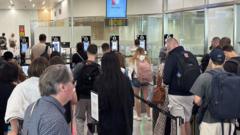
Ryanair is demanding European governments delay the Entry Exit System (EES), a new EU border screening platform set to launch soon. The airline warns the digital infrastructure will create catastrophic queues at airport terminals during peak summer travel season.
The EES replaces manual passport stamping with automated biometric scanning for non-EU citizens entering the bloc. While the system aims to streamline border security, Ryanair argues its rollout timing is reckless. The carrier operates over 2,000 daily flights across Europe and sees direct consequences when border infrastructure fails.
The airline's plea reflects broader industry anxiety. Airports handling millions of summer travelers cannot absorb processing delays without bottlenecks cascading through terminals. Ryanair estimates the system will overwhelm understaffed border checkpoints, creating extended waits that ripple through flight schedules and passenger experiences.
EU officials have set a firm implementation deadline, but Ryanair joins other travel operators in requesting postponement until after July and August, when holiday traveler volumes peak. The airline's low-cost model depends on quick turnarounds and reliable scheduling. Border delays directly erode operational efficiency and customer satisfaction.
This mirrors past infrastructure rollouts where implementation timelines underestimated real-world operational complexity. Airlines typically absorb costs from disruptions, whether through compensation, rebooking, or reputation damage.
European governments face pressure from both travel operators and passenger advocates. Delaying the system risks embarrassing the EU's border modernization agenda, but launching amid chaos creates worse optics. The EES eventually streamlines border crossing once operational efficiency improves. The question remains whether that improvement happens on the EU's preferred timeline or after summer chaos forces adjustment.