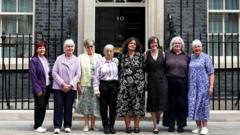
Prime Minister Keir Starmer delivered a formal parliamentary apology for forced adoptions, calling the practice "a stain on our history." The government acknowledged that thousands of infants were taken from their mothers without consent between 1949 and 1976, a period when unmarried pregnancy carried severe social stigma in Britain.
The apology addresses one of the UK's most shameful social policies. Mothers, often teenagers or women from working-class backgrounds, faced coercion and deception by social workers, medical staff, and adoption agencies. Many were told their babies died or were simply separated without consent. Children grew up unaware of their origins, while mothers endured decades of trauma and grief.
Starmer framed the apology as recognition of systemic injustice. The government committed to establishing a compensation scheme and further investigating the scale of the practice. Official estimates suggest thousands were affected, though advocates argue the true number exceeds 10,000.
The announcement follows sustained campaigning by survivor groups and relatives who have spent years demanding accountability. Many mothers never recovered from the loss. The cases expose how institutions exploited vulnerable women during a period when moral judgment overrode parental rights and children's welfare.
This apology carries real weight. The government moves beyond words by committing resources to compensation and inquiry. It represents a watershed moment for Britain's adoption history, one previously treated as closed. The formal parliamentary statement ensures the matter enters the historical record with official acknowledgment of institutional harm.
The policy operated with near-total secrecy for decades. Adoption records were sealed, making reunions nearly impossible. Many affected parties discovered the truth only in recent years through documentaries and investigative reporting that forced the issue into public consciousness.