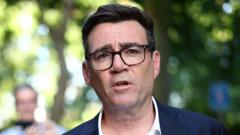
Andy Burnham rules out calling an early election after taking the prime minister's office later this month. The newly elected MP for Makerfield commits to honoring Labour's 2024 manifesto rather than seeking a fresh mandate from voters.
Burnham's stance signals stability after Labour's general election victory. The party won a substantial parliamentary majority, giving the incoming government a clear five-year runway without immediate electoral pressure. By pledging adherence to the manifesto, Burnham telegraphs continuity with Labour's campaign promises on NHS funding, cost-of-living support, and economic reform.
The decision to rule out an early election reflects political calculation. Early calls typically occur when governments smell opportunity in polling or face internal turmoil requiring validation. Neither applies here. Labour enters Downing Street with fresh momentum and a comfortable Commons majority, eliminating tactical incentive for a snap poll. An early election would also drain the Treasury and waste political capital better deployed on legislative priorities.
Burnham's commitment to the manifesto carries weight given internal party dynamics. Labour faces competing pressures from its left flank, centrist modernizers, and traditional working-class constituencies. Anchoring himself to published commitments constrains the scope for ideological drift while providing cover for unpopular decisions. Inflation, public sector pay demands, and welfare spending cuts may force uncomfortable choices. The manifesto becomes both shield and straightjacket.
The timing matters too. Burnham assumes office amid persistent economic headwinds and public service crises inherited from the previous administration. Parliament needs legislative time to pass budget bills, public services legislation, and reform measures. An early election would suspend normal business and delay relief for struggling households and underfunded departments.
By publicly closing the early election door, Burnham sets expectations for his premiership. He positions Labour as serious about governance rather than electoral opportunism. This approach echoes centrist convention, though it removes flexibility if Labour's polling deteriorates or internal chaos erupts. For now, the incoming PM signals a focus on delivery over campaigns.