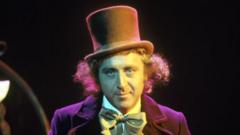
Netflix's "Wonka" limited series has drawn criticism after using an AI-generated voice modeled on Gene Wilder, the beloved actor who originated the role of Willy Wonka and died in 2016. The recreation appears in the show with approval from Wilder's estate, yet fans and industry observers pushed back on the use of synthetic voice technology to resurrect a performer's likeness.
The backlash reflects broader tensions in entertainment around AI voice generation and digital recreations of deceased artists. While the Wilder estate consented to the project, the decision sparked debate about whether consent alone justifies synthetic voice use and what it means for voice acting as a profession. Some viewers expressed discomfort hearing Wilder's distinctive cadence reconstructed through machine learning rather than performed by a living actor.
The Netflix show marks a high-profile case of AI vocal synthesis applied to a recognizable entertainment figure. Similar technology has emerged in music, where deepfakes and synthetic recreations of deceased musicians have generated legal and ethical questions. The entertainment industry lacks clear standards governing these practices, leaving studios to navigate consent and artistic merit on a case-by-case basis.
Netflix has not responded publicly to the criticism, though the show's production team presumably anticipated the vocal recreation would generate discussion. The controversy underscores how quickly AI tools can reach mainstream productions while audiences and creators remain divided on their appropriateness.
The incident also raises questions about what actors and their estates should consider when licensing their likenesses or voices post-mortem. Voice acting remains a significant skill in animation and performance, and AI synthesis poses potential economic impacts for professionals in the field as production becomes cheaper and faster through automation.