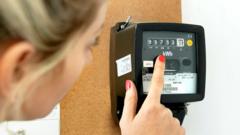
Ofgem's latest price cap took effect, pushing household energy bills up 13 percent annually. The regulator issued a plea for households to read their own meters as costs climb.
The timing matters. Energy companies rely on estimated meter readings when customers don't provide actual consumption data. Inaccurate estimates can lead to inflated bills or surprise charges down the line. By reading meters themselves, households gain control over their billing accuracy and avoid overpaying during a period of sharp cost increases.
This 13 percent jump reflects broader pressures on UK energy markets. Wholesale prices remain elevated compared to pre-pandemic levels, and the price cap mechanism that Ofgem sets quarterly continues to climb. The regulator's move puts pressure on both suppliers and consumers to manage costs more efficiently.
For households already stretched by inflation and rising living expenses, meter readings become a practical tool. Many customers have fallen behind on energy bills, and precise consumption data helps prevent additional debt. Energy suppliers benefit too. Accurate readings reduce billing disputes and support better demand forecasting across the network.
The plea signals Ofgem's recognition that the system works best when households engage actively. Digital meter adoption has improved, but millions still rely on manual readings. Winter demand typically peaks in the coming months, making accurate meter data even more valuable for both billing accuracy and grid management.
Households can read their meters online through most supplier portals or by taking manual readings and submitting photos. The action takes minutes but can save significant money over time.