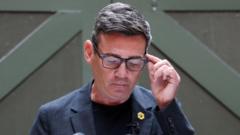
Prime Minister Keir Starmer's Defence Investment Plan forces Andy Burnham, the Mayor of Greater Manchester, into an immediate political crunch. Starmer committed to raising defence spending to 2.5% of GDP by 2030, a pledge that demands £22 billion in additional annual military investment by the decade's end.
The arithmetic creates brutal trade-offs across government spending. Burnham, a former shadow health secretary, now chairs the devolved Greater Manchester Combined Authority. He controls substantial regional budgets for transport, skills, and local services. The chancellor's spending plans leave little room for the kind of domestic investment that regional leaders like Burnham have demanded.
This tension reflects a wider Labour government problem. Starmer campaigned on both defence strength and domestic renewal. The defence commitment locks in spending that reduces flexibility elsewhere. Transport infrastructure, local authority grants, and regional investment programs all face pressure as the Treasury juggles competing priorities.
Burnham's specific challenge stems from his unique position. As a high-profile Labour figure with genuine regional power, he cannot simply accept Westminster's spending constraints. Greater Manchester voters elected him partly to champion local interests against central government neglect. The defence plan signals that Whitehall has other priorities for the next five years.
The political choreography matters here. If Burnham publicly complains about local underfunding, he creates internal party friction. If he stays quiet, he risks undermining his credibility with regional stakeholders who expect him to fight for investment in transport, education, and skills training.
Starmer's defence decision reflects genuine strategic thinking about Britain's role amid NATO commitments and European security concerns. The commitment carries real diplomatic weight. But it also exposes the finite nature of public spending and forces Labour figures at every level to defend why defence takes priority over roads, schools, and hospitals in their own communities. Burnham now sits at that uncomfortable intersection.