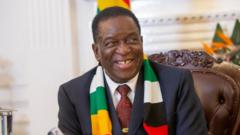
Zimbabwe's parliament passed legislation that extends President Emmerson Mnangagwa's tenure by two years while eliminating direct presidential elections, shifting the country toward an indirect electoral system. The bill reduces the presidential term from six years to five years starting in 2030, effectively delaying the next popular vote and giving Mnangagwa additional time in office.
The move consolidates power within ruling party structures rather than grassroots voter participation. Under the new framework, future presidents would be elected by parliament and provincial governors instead of citizens casting ballots. This represents a significant departure from Zimbabwe's 2013 constitution, which introduced direct presidential elections after decades of Robert Mugabe's authoritarian rule.
Mnangagwa took power in 2017 following a military coup that ousted Mugabe. He promised democratic reforms and vowed not to seek re-election beyond 2030, but this legislation undermines those commitments. Opposition parties have condemned the bill as antidemocratic and warned it consolidates autocratic control within the ruling ZANU-PF party.
The timing reflects escalating tension between Mnangagwa's stated commitment to democratic governance and his political interests. Zimbabwe's economy remains in crisis, with currency collapse and inflation eroding public confidence. The legislative move potentially sidesteps electoral accountability at a moment when the government faces mounting pressure on living standards and governance.
This parliamentary action signals the regime's willingness to rewrite constitutional rules to maintain power, echoing patterns seen across southern Africa where presidents stretch term limits through legislative maneuvers. International observers and rights groups will likely scrutinize whether Zimbabwe's institutions can check executive overreach or whether democratic safeguards have become purely nominal.