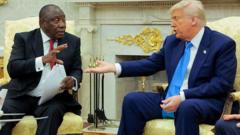
The United States will withdraw funding from HIV treatment and prevention programs in South Africa, marking a significant shift in American international health assistance. South Africa carries the world's largest HIV burden, with over eight million people living with the virus, making the funding cut a consequential public health decision.
The withdrawal affects PEPFAR (President's Emergency Plan for AIDS Relief), the flagship US initiative that has supported antiretroviral therapy, testing services, and prevention efforts across the country for over two decades. South Africa has relied heavily on this funding stream to sustain its national HIV response, which has made substantial progress in recent years through treatment expansion and viral suppression campaigns.
The timing reflects broader shifts in US foreign aid priorities and budgetary constraints. American officials have indicated that South Africa, classified as an upper-middle-income country, should increasingly shoulder its own HIV financing burden. However, experts warn that pulling back support could disrupt treatment continuity for millions of patients and weaken prevention infrastructure, particularly in rural areas where resources remain scarce.
South Africa's domestic health budget already strains under competing demands for TB treatment, maternal care, and pandemic preparedness. The country's government has pledged to increase HIV spending but faces fiscal limitations that may prevent full replacement of US support in the near term.
This decision arrives amid global momentum toward ending AIDS as a public health emergency by 2030. UNAIDS and other organizations caution that premature donor withdrawal in high-burden countries risks reversing gains achieved over the past fifteen years. South Africa's HIV response, though substantial, still requires sustained international partnership to maintain treatment access and prevent new infections among vulnerable populations.