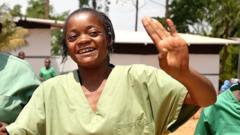
The Democratic Republic of Congo's latest Ebola outbreak has claimed over 170 lives, but recent recoveries offer glimmers of hope at the outbreak's epicenter. Patients who survived the virus have left treatment facilities, marking rare positive moments in what remains a grim public health crisis.
The DRC faces persistent challenges in containing the hemorrhagic fever. The virus spreads through direct contact with blood or body fluids of infected individuals, making containment efforts difficult in regions with limited healthcare infrastructure. Recovery rates depend heavily on early detection and supportive care, which treatment centers are now providing more effectively than in previous outbreaks.
These survivor stories carry weight beyond individual cases. Each recovery demonstrates that medical intervention works when patients reach facilities promptly. Healthcare workers have refined their response protocols through experience with earlier Ebola incidents in the region, improving survival odds significantly compared to initial waves.
The outbreak underscores the DRC's ongoing vulnerability to viral hemorrhagic diseases. Dense populations, limited laboratory capacity, and geographic barriers complicate epidemiological tracking. Survivors returning to communities also raise questions about reintegration and lingering health effects.
International health organizations have deployed resources to support containment efforts, but the burden falls primarily on local medical teams operating under resource constraints. Each recovery represents both a personal victory and validation of their work.
The celebration of survivor releases provides public health officials with a morale boost during taxing outbreak response operations. These moments of joy remind both responders and affected communities that the fight against Ebola, though devastating, remains winnable with proper medical care and community cooperation.