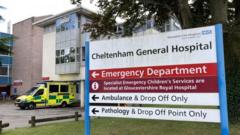
# Major A&E Changes Announced Amid Strikes
England's A&E departments are implementing new triage protocols as NHS leadership responds to ongoing industrial action. Health officials have issued explicit guidance urging patients to visit emergency departments only for life-threatening or genuinely serious conditions, signaling a deliberate shift in how the healthcare system manages patient flow during the strike period.
The announcement reflects mounting pressure on hospital networks already stretched thin by staff shortages. Strike action by junior doctors, paramedics, and other NHS workers has created cascading delays across emergency care pathways. Rather than attempt to maintain normal operations, the NHS appears to be actively managing demand by steering less urgent cases away from A&E altogether.
This guidance targets what hospitals identify as non-emergency presentations. Conditions including minor injuries, common illnesses, and routine complaints that typically fill A&E waiting rooms now face explicit discouragement from the health service itself. Patients are being directed toward alternative pathways, including NHS 111 telephone triage services and community care centers.
The move represents a pragmatic acknowledgment that current staffing levels cannot sustain traditional A&E demand patterns. Hospital leaders have prioritized preserving emergency capacity for the most critical cases rather than risking complete system failure under standard usage patterns.
Strike action continues across multiple NHS worker categories, with disputes centered on pay and working conditions. The guidance does not indicate when conditions might normalize or when the workforce actions might resolve. For now, the NHS message is clear: A&E remains open, but only for the genuinely urgent.