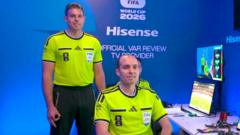
VAR official Shaun Evans has faced scrutiny following a hand gesture caught on camera during a match. Evans submitted a formal statement denying any intentional messaging behind the gesture, characterizing it instead as an involuntary physical movement he did not consciously execute.
The incident drew immediate attention from viewers and commentators who observed the gesture during match proceedings. Evans' response, delivered through official channels, stressed that the movement carried no deliberate communication of any affiliation, game-related signal, or personal belief.
This situation reflects growing tensions around VAR officials and their conduct during matches. Video assistant referees operate under intense scrutiny, with every visible action subject to public interpretation and potential controversy. The role already carries substantial pressure given its influence over match outcomes and the visibility of decision-making processes.
Evans' statement attempts to separate involuntary physical movements from intentional conduct subject to disciplinary review. The distinction matters significantly in regulatory proceedings where intent often determines the severity of potential sanctions. Whether governing bodies accept his explanation remains unclear, though the claim of subconscious action presents a common defense in cases involving disputed gestures.
The incident underscores broader debates around VAR implementation and official behavior standards. Match officials now navigate heightened expectations around both their decision-making and their on-field or room conduct. Evans' case demonstrates how even momentary, unguarded movements can become subject to widespread analysis and formal investigation when captured on broadcast footage.