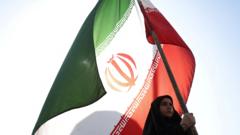
Iran's government frames its nuclear agreement with the United States as a geopolitical win, but ordinary Iranians view the deal through a practical lens. Food costs, fuel prices, and war anxiety dominate their calculations far more than diplomatic rhetoric.
The disconnect reveals a fundamental gap between state messaging and street-level reality. While Tehran officials celebrate the accord as a triumph of Iranian resistance and negotiating strength, citizens struggle with inflation that has eroded purchasing power across sectors. Bread, eggs, and basic staples have become budget-breaking expenses for working families. The threat of military escalation, which peaked during tensions with the US, created additional uncertainty that hampered economic planning and investment.
For ordinary Iranians, the deal's value hinges on tangible outcomes. Will sanctions relief translate to lower prices at the market? Will reduced war risk free up capital for domestic spending rather than defense? These questions matter infinitely more than rhetorical declarations of victory.
The timing underscores Iran's economic desperation. Crippling sanctions had isolated the country from global markets and investment, forcing painful austerity measures on civilians. Many Iranians endured this as necessity rather than ideology. The agreement represents relief from acute suffering, not triumph.
This explains the muted public response despite government celebration. Iranians have lived through decades of geopolitical brinkmanship. They've watched sanctions imposed, lifted, and reimposed. They've weathered wars and threats of war. Skepticism runs deep about whether any deal sticks or delivers relief.
The gap between official victory narrative and lived experience reflects Iran's broader political challenges. Young Iranians especially question whether negotiations serving state interests actually serve theirs. They want jobs, stability, and opportunity. International agreements matter only insofar as they create those conditions.