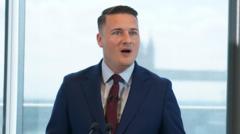
Wes Streeting, the current shadow health secretary, has rejected making expensive campaign pledges that Labour could not sustain in government. The former health secretary drew a line between aspirational promises and unfunded commitments, signaling a more cautious approach to manifesto-building ahead of the next election cycle.
Streeting's warning reflects Labour's broader messaging strategy under Sir Keir Starmer. The party has spent the past two years rebuilding its reputation for fiscal responsibility after years of criticism over spending plans. This disciplined approach contrasts sharply with the 2019 campaign, when Labour faced sustained attacks over the cost of its pledges.
The health portfolio represents one of Labour's strongest policy areas and Streeting has emerged as a key voice shaping the party's approach to the NHS. His comments suggest Labour intends to focus on deliverable commitments rather than sweeping reforms that might prove electorally damaging if abandoned post-election.
Streeting's position also hints at internal discussions about balancing ambition with credibility. Labour's polling advantage has hinged partly on voters perceiving the party as more competent on the economy than the Conservatives. Expensive unfunded pledges could undermine this advantage.
The warning comes as Labour prepares its manifesto framework. Other senior figures, including Chancellor Rachel Reeves, have similarly emphasized fiscal restraint and avoiding overcommitment. This disciplined messaging reflects lessons learned from previous electoral cycles and the party's determination to enter any general election with clear, costed policies rather than wish lists.