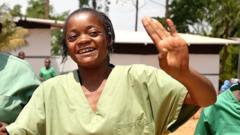
The Democratic Republic of Congo's Ebola outbreak has delivered rare moments of hope as patients recover from the virus. The outbreak has claimed more than 170 lives, making it one of the deadliest recent Ebola epidemics in the region.
Recovery cases represent critical breakthroughs in treating the hemorrhagic fever. Medical teams working in DRC isolation units have successfully discharged survivors, offering glimpses of optimism amid the crisis. These recoveries demonstrate that early intervention and supportive care can turn outcomes in patients' favor, even when facing one of the world's most lethal pathogens.
Healthcare workers on the ground describe these moments as morale-boosting for both staff and communities affected by the outbreak. Each discharge sends a survivor back into their community, helping counter misinformation about Ebola's inevitability. The virus spreads through direct contact with blood or body fluids of infected people, making prevention education essential to outbreak control.
The DRC has battled multiple Ebola outbreaks over decades, building institutional knowledge about containment and treatment protocols. International health organizations have deployed resources to support local healthcare infrastructure, training staff and establishing treatment centers. The visible success of recovery cases strengthens public trust in medical interventions.
Survivors often become advocates themselves, demonstrating to hesitant communities that survival remains possible with proper medical care. This shifts the narrative from pure tragedy to one incorporating resilience and scientific progress. The outbreak continues, yet each recovery reinforces that Ebola, while devastating, is not universally fatal when patients receive timely treatment.
The recovery stories underscore the importance of sustained investment in global disease surveillance and emergency preparedness, particularly in regions with limited healthcare resources.