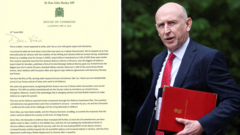
Defence Secretary John Healey and Armed Forces Minister Al Carns have resigned from their posts, submitting letters to Prime Minister Sir Keir Starmer that detail their reasons for departure.
Healey held one of the most senior positions in the UK government, overseeing military strategy, defence spending, and Britain's armed forces during a period of heightened geopolitical tension. His resignation marks a significant loss of experience in defence policy at a critical moment for NATO and UK military readiness.
Carns served as Armed Forces Minister, a role focused on personnel matters and operational support for the services. His exit follows Healey's departure.
The resignation letters, released in full by the BBC, provide direct statements from both ministers outlining their individual positions on leaving government. Without access to the complete text of those letters in this report, the specific policy disagreements or personal circumstances driving their decisions remain unclear. Government resignations often signal internal disputes over strategy, budget allocation, or fundamental policy direction.
These departures create immediate vacancies that require filling. The Prime Minister must now identify replacements capable of handling defence portfolios during an unstable international environment. The timing impacts Britain's military effectiveness and diplomatic positioning.
The simultaneous resignation of two defence-focused ministers suggests potential broader tensions within Starmer's administration. Such departures can affect morale across the Armed Forces and complicate the government's legislative agenda around defence spending and strategic planning.
Starmer's response to these resignations and the speed at which replacements are appointed will test his cabinet management skills and signal whether the government faces deeper instability or can absorb the losses cleanly.