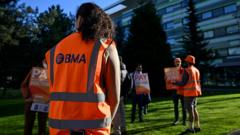
Junior doctors in England return to picket lines in June for their 16th strike action, escalating a pay dispute that has consumed the National Health Service for nearly two years. The walkout represents the latest chapter in a battle between the British Medical Association (BMA) and the government over compensation for trainee physicians.
Resident doctors, officially called junior doctors or foundation year trainees, earn starting salaries around £28,000 annually, with progression to approximately £40,000 after several years of training. The BMA argues this compensation has stagnated for over a decade when adjusted for inflation, eroding purchasing power significantly. Junior doctors now earn substantially less in real terms than their counterparts a generation ago, the union contends.
The recurring strikes stem from a 2016 contract imposed by the government that junior doctors reject as inadequate. While some modest pay increases have occurred, the BMA demands restoration of historical pay relativities and substantially higher wages to reflect cost-of-living pressures. England faces acute workforce shortages in medical training, with recruitment and retention problems directly tied to pay dissatisfaction.
The government has held firm on spending constraints despite repeated strike action. Each walkout disrupts elective surgeries and non-emergency care, placing pressure on already-stretched NHS services. The June action signals the dispute remains unresolved after 15 previous strikes throughout 2022 and 2023.
Junior doctor strikes carry particular weight in British healthcare debates. These physicians form the backbone of hospital operations, and their industrial action visibly damages service delivery. The prolonged standoff reflects broader NHS funding pressures and staff morale crises facing the health service under Conservative governance.