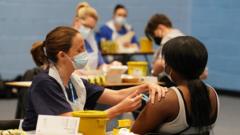
Meningitis B hits fast and kills young people with terrifying speed. The bacterial infection inflames the membranes surrounding the brain and spinal cord, causing fever, severe headache, and neck stiffness that can progress to sepsis within hours. Death rates sit around 10 percent among those infected, with survivors often facing permanent disability like hearing loss or brain damage.
The Meningitis B vaccine, introduced in the UK in 2015, offers protection against the Neisseria meningitidis serogroup B strain responsible for most cases in wealthy nations. It works by targeting the bacteria's outer membrane proteins, blocking infection before it starts.
Yet access remains restricted. The NHS offers the vaccine, Bexsero, only to specific groups: infants at 2 and 4 months old, plus one-year-olds. Teenagers and young adults don't automatically qualify, creating a gap for those aged 13 to 25, the demographic at highest risk for meningococcal disease outside of infancy.
The rationale centers on cost and evidence. Routine vaccination campaigns for entire teenage cohorts require enormous resources. The government's Joint Committee on Vaccination and Immunisation weighed clinical benefit against budget constraints and concluded that targeting high-risk groups, including university students and those with certain immunocompromised conditions, delivered maximum protection per pound spent.
Private access exists for those who can afford it, typically costing 100 to 150 pounds per dose. This creates equity issues. Wealthy families can vaccinate teenage children independently while others cannot.
The situation remains contentious. Public health bodies argue that the current strategy protects the most vulnerable efficiently. Parent advocacy groups counter that any teenager can develop meningitis B, making universal access more ethical. Some university students receive vaccines through campus health services, adding another layer of variable protection across the UK.