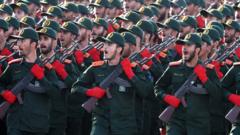
The UK government is advancing legislation that would empower authorities to designate Iranian groups as national security threats. The National Security (State Threats) Bill, expected to become law within weeks, expands governmental powers to classify organizations deemed dangerous to state security.
The bill's rapid timeline reflects growing concern over foreign interference and espionage operations. Iranian groups, including those linked to the Islamic Revolutionary Guard Corps, have drawn scrutiny from British intelligence agencies for alleged activity on UK soil. The legislation creates a legal framework for swift designations without requiring parliamentary debate on individual cases, a procedural shift that accelerates threat response.
The move aligns with broader Western policy tightening against Iranian interests. The US has long maintained comprehensive sanctions and designations against Iranian entities. The UK's step mirrors similar efforts by other NATO allies to restrict operations by groups intelligence services view as hostile actors.
Civil liberties organizations have raised concerns about the bill's scope and transparency. Critics argue the designation process lacks sufficient oversight and could catch organizations with legitimate political or humanitarian purposes. The government counters that national security requires operational flexibility.
The bill comes amid elevated tensions between Britain and Iran over nuclear negotiations and alleged cyber operations. Recent reports detailed Iranian hacking attempts targeting UK institutions and critical infrastructure. Ministers frame the legislation as essential for protecting citizens and national interests against state-sponsored activity.
Parliamentary passage appears likely given government control of the Commons. Implementation could follow quickly, allowing authorities to move against designated groups' assets and operations within the UK. The timing suggests the government views the Iranian threat assessment as immediate rather than speculative.