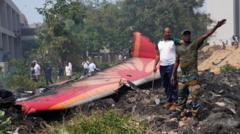
Indian aviation authorities extended the probe into the Air India Express crash that killed 260 people near Kozhikode airport in August 2020. Officials announced the delay, citing the need for additional time to complete a thorough investigation despite reporting "significant progress" on the case.
The Boeing 737 aircraft overran the runway during landing in heavy rain, skidded down an embankment, and broke apart. The disaster ranks among India's deadliest aviation accidents. The initial investigation phase revealed multiple contributing factors, including weather conditions, runway design, and pilot decision-making during the landing attempt.
Investigators have been examining cockpit voice recordings, flight data, maintenance records, and witness testimony to determine the precise sequence of events. The extended timeline allows authorities to conduct additional testing, consult international aviation experts, and cross-reference findings with similar incidents. India's Directorate General of Civil Aviation has been leading the probe alongside international partners.
The delay reflects the complexity of modern aircraft accident investigations, which routinely take 12 to 24 months to complete. Such inquiries must pinpoint not just what happened, but why, to prevent similar tragedies. Preliminary findings typically emerge within months, but final reports require exhaustive analysis of technical data and reconstruction of the accident sequence.
For families of the 259 passengers and crew member who died, the extended investigation underscores both the thoroughness of modern safety protocols and the lengthy road to answers. The Air India Express crash prompted heightened scrutiny of runway safety standards at Indian airports and generated discussions about pilot training protocols during adverse weather landings. The final report, when released, will likely carry recommendations reshaping safety procedures across India's commercial aviation sector.