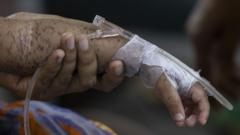
Bangladesh faces a severe measles crisis. The country recorded over 60,000 suspected measles cases in just two months, with hundreds of children dying from the disease.
The outbreak reflects a breakdown in vaccination coverage. Bangladesh's immunization rates have declined significantly, leaving vast populations of children vulnerable to the highly contagious virus. Measles spreads through respiratory droplets and kills roughly one in 500 infected children when untreated, though mortality rates spike dramatically in malnourished or immunocompromised populations.
The scale of deaths underscores the fragility of public health infrastructure in the region. A measles case that might result in recovery in a well-resourced hospital becomes fatal in settings with limited access to supportive care, antibiotics, and nutritional support. Bangladesh faces persistent challenges with sanitation, malnutrition, and healthcare access across rural areas where the outbreak has spread fastest.
This outbreak arrives alongside global trends in measles resurgence. The World Health Organization documented record measles cases worldwide in 2023, driven partly by pandemic-era vaccination disruptions and, in some regions, vaccine hesitancy. Bangladesh's situation reflects the stakes for countries with lower vaccination infrastructure. A single missed generation of vaccinations can trigger explosive outbreaks.
The government response involves emergency vaccination campaigns, but speed matters enormously. Each day without broad vaccine coverage allows measles to infect new children. Healthcare workers report being overwhelmed in clinics and hospitals across the country.
Bangladesh requires urgent international support for vaccine procurement and distribution. The outbreak demonstrates how quickly measles can devastate a population when immunization rates fall below critical thresholds. Without rapid intervention, the death toll will climb.