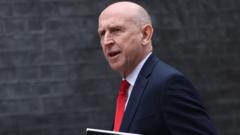
Defence Secretary John Healey has resigned over disagreements with the government's military spending commitments. Healey stated the current funding plan "falls well short" of what Britain's armed forces require, creating a rare public rupture within Sir Keir Starmer's Labour administration.
The resignation marks a significant moment in UK defence policy debates. Healey, who held the defence portfolio in Starmer's cabinet, had championed increased military investment as NATO tensions escalate and geopolitical threats mount across Europe. His departure signals internal tension over the government's fiscal priorities and its ability to meet defence spending targets without major budget reallocations.
Starmer responded by reaffirming his commitment to keeping the UK safe, though he did not immediately detail whether the government would reverse course on defence budgets or seek alternative funding mechanisms. The Prime Minister's statement suggests the government intends to maintain its current spending posture despite losing a defence secretary who clearly felt those allocations were inadequate.
This disagreement occurs amid broader NATO conversations about member states increasing defence expenditures. Several European nations have significantly boosted military budgets, putting pressure on the UK to match or exceed previous commitments. Healey's exit indicates Labour faces genuine internal conflict between its defence ambitions and its broader fiscal constraints, particularly given campaign pledges around public services and tax policy.
The resignation creates uncertainty about the Defence Ministry's direction. A successor must navigate the same budgetary pressures that drove Healey's departure while maintaining military readiness. Labour originally positioned itself as serious on defence and NATO commitment during its election campaign. Healey's departure suggests that positioning is now being tested by hard financial realities.