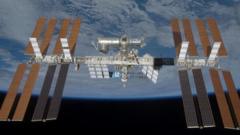
Russian cosmonauts attempted repairs on a pressurized tunnel section of the International Space Station, prompting five other astronauts to shelter in their spacecraft as a precautionary measure. The isolation protocol activated during the repair work on the Soyuz module, part of standard safety procedures when Russian segments undergo maintenance that risks decompression.
The five astronauts retreated to their Soyuz spacecraft, which serves as an emergency lifeboat on the station. This contingency measure allows crews to evacuate rapidly if pressure loss becomes critical. The Russian team completed repair efforts without incident, and the sheltering astronauts returned to normal station operations once work concluded.
Air leaks have plagued the ISS for years. In 2019, a small micrometeorite puncture in a Soyuz module forced similar precautions. That breach took months to locate and seal. The station's age, now in its fourth decade of continuous habitation, means incremental wear and tear. NASA and Roscosmos maintain strict protocols to manage such risks.
The five-person crew faced no actual danger during the shelter period, which lasted several hours. Russian cosmonauts possess extensive experience with repair procedures on their segment of the station. Their toolkit includes sealants and patches designed for minor depressurization events. Larger structural failures would trigger immediate evacuation orders and mission suspension.
This incident underscores the collaborative infrastructure of the ISS. While tensions between Washington and Moscow dominate geopolitical headlines, astronauts and cosmonauts continue working together in orbit. The station relies on Russian Soyuz vehicles for crew rotation and emergency extraction. No American spacecraft currently holds that capacity, making continued cooperation essential for station operations and crew safety.
Station operations remain nominal following the repair completion.