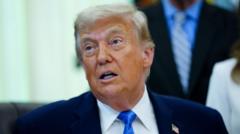
Donald Trump declared his affection for inflation while U.S. prices climbed at their fastest pace in three years, a statement that underscores the disconnect between political rhetoric and consumer reality. The former president's comments come as Americans grapple with elevated costs across groceries, energy, and housing, following geopolitical tensions tied to the U.S.-Israel conflict in Iran.
Trump's remarks reveal a strategy focused on attributing economic pain to the Biden-Harris administration rather than acknowledging structural pressures. By claiming to "love" inflation, he frames the current environment as a policy failure rather than a consequence of global supply-chain disruptions, energy markets, and post-pandemic demand rebalancing. This rhetorical approach targets voters already experiencing wallet squeeze at checkout lines.
The inflation acceleration matters for the 2024 election cycle. Consumer price data drives perception of economic competence, and voters historically punish incumbents during cost-of-living crises. The Federal Reserve's efforts to cool demand through rate hikes have slowed inflation from 2022 peaks but haven't returned prices to pre-pandemic levels. Rent remains elevated. Grocery baskets cost substantially more than two years ago.
Geopolitical risk adds another layer. Tensions between the U.S. and Iran ripple through oil markets, potentially pushing energy prices higher and making inflation stickier. Consumers already stretched thin on discretionary spending now face uncertainty about whether their wages can keep pace with further price jumps.
Trump's inflammatory framing sidesteps the nuance that inflation reflects both demand-side and supply-side forces beyond any single administration's control. Yet politically, it signals his team will hammer inflation as the central message. For households already cutting back on dining out and delaying major purchases, the inflation debate feels academic compared to monthly bills that simply cost more.