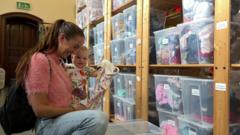
Families across the UK are flocking to budget second-hand clothing shops, with one 50p kids' wear retailer reporting surging footfall as households tighten spending across discretionary categories. The shop, which prices most items at just 50 pence, has become a go-to destination for cost-conscious parents navigating persistent inflation and stagnant wages.
The surge reflects broader consumer behavior shifts. Parents are deliberately choosing second-hand over new retail, both to save money and reduce waste. This mirrors patterns seen across the broader UK retail landscape, where discount chains and value retailers have captured market share from traditional high street players. Primark and other budget operators have thrived by offering rock-bottom prices. Second-hand and resale platforms like Vinted and Depop have grown exponentially among younger shoppers seeking sustainability and affordability.
For families with young children, clothing costs mount quickly. Kids outgrow garments in months, making second-hand purchases a practical solution. The 50p price point eliminates the guilt many parents feel buying new clothes their children will wear only briefly.
Shop staff report queuing parents buying items in bulk, suggesting households are treating these visits as essential shopping rather than occasional browsing. The trend underscores ongoing financial pressure on UK households, despite recent inflation easing. Real wages remain pressured, childcare costs remain punitive, and energy bills continue to strain household budgets.
This moment reflects a wider normalization of second-hand consumption. Resale no longer carries stigma. Instead, it reads as smart spending and environmental consciousness. Retailers and brands have noticed, with mainstream fashion labels opening resale sections and investment flowing into second-hand platforms.
The 50p shop's success signals that price sensitivity remains acute for families, regardless of broader economic indicators or GDP figures.