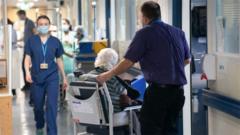
England's National Health Service faces a crisis of overcrowding. Nearly 3,000 patients daily receive treatment in corridors and other makeshift spaces rather than proper hospital beds, according to new data released this week.
The figures expose the infrastructure strain across NHS trusts in England. Patients occupy hallways, storage areas, and temporary spaces because hospital wards lack capacity to accommodate them. This setup creates safety risks. Medical staff struggle to monitor patients effectively in crowded corridors. Privacy becomes impossible. Infection control becomes harder to maintain.
The scale shocks even seasoned healthcare observers. Over a million patients annually are treated in these conditions. The problem concentrates in winter months when respiratory illnesses spike, but it persists year-round now.
Hospital administrators blame bed shortages and delayed patient discharges. Elderly patients wait in hospitals for social care placements that never materialize. Younger patients linger longer than necessary. This backup cascades through emergency departments and wards.
The BBC investigation tracked corridor care across multiple trusts. Some hospitals report days where every available space holds a patient. Emergency departments operate at 150 percent capacity on peak days. Staff work in chaotic conditions managing acute illness in spaces designed for movement, not treatment.
Patient advocacy groups call the practice undignified and dangerous. People on stretchers in hallways cannot access bathroom facilities easily. Medication errors increase in noisy, crowded environments. Families cannot sit with patients in privacy.
Health officials acknowledge the problem but point to systemic issues beyond their control. Social care gaps force delayed discharges. Ambulances queue outside hospitals unable to offload patients. Staffing shortages limit bed management flexibility.
The government has pledged additional funding, though critics question whether money alone solves the underlying capacity shortage. Building new beds takes years. Training new doctors and nurses takes longer.
For now, nearly 3,000 patients daily endure hospital treatment in corridors. The NHS treats this as a temporary crisis while the real solution remains out of reach.