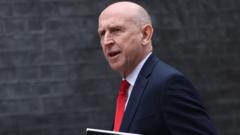
UK Defence Secretary John Healey has resigned from his cabinet post, citing insufficient funding for the government's military spending commitments. Healey stated that the allocated budget for a new defence investment plan "falls well short of what is required," signaling a breakdown between his vision for military modernization and the government's fiscal priorities.
The departure marks a significant rift within the cabinet over defence spending levels. Healey had championed an ambitious defence strategy that demanded substantially higher investment than the current government allocation. His resignation suggests the Treasury rejected his funding requests, forcing a choice between accepting reduced military spending or stepping down on principle.
This move comes amid broader pressure on UK defence spending. NATO allies have increasingly pushed member states to meet or exceed the 2% GDP target for military investment. Britain currently meets this threshold, but Healey's departure indicates the government faces internal disagreement over whether current levels adequately address emerging threats, particularly from Russia and China.
The timing carries weight for UK military readiness and European security partnerships. A defence secretary's resignation over budget disputes echoes concerns from military leadership that underfunding threatens operational capability and force modernization. Healey's exit removes an influential advocate for increased defence spending from the cabinet table.
The government will now need to appoint a replacement willing to work within the Treasury's constraints or risk another high-profile departure. Healey's decision to quit rather than compromise suggests the funding gap is substantial enough that accepting it would have compromised his credibility with the armed forces and allies abroad. His departure sends a clear message that defence spending remains a contentious issue at the heart of British government priorities.