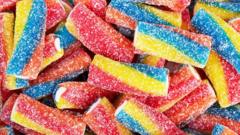
New York's candy stores are bucking national consumer sentiment by expanding operations despite historic lows in US consumer confidence. The retail sector typically reflects broader economic anxiety, yet independent and chain candy retailers across the city are adding locations and increasing inventory.
The resilience points to a peculiar consumer behavior pattern. Candy purchases represent low-cost indulgences that shoppers maintain even when cutting back on major discretionary spending. A single chocolate bar or bag of gummies costs between two and five dollars, making candy an accessible luxury during economic downturns. Retailers describe this as the "lipstick effect" applied to confectionery, where consumers trade down from expensive treats to affordable ones rather than eliminate pleasure purchases entirely.
New York's candy shops benefit from both foot traffic and tourism. Manhattan's tourist corridors, particularly Times Square and surrounding neighborhoods, sustain steady customer flow regardless of domestic economic conditions. International visitors maintain spending patterns less affected by American consumer confidence indices.
The expansion reflects smart retail positioning. Candy shops occupy smaller storefronts requiring lower overhead than grocery stores or department retailers. Margins on confectionery remain healthy, and inventory turnover moves quickly. Shop owners report that even modest locations generate sufficient revenue to justify new openings.
This trend mirrors findings from previous recessions. During the 2008 financial crisis, companies selling inexpensive comfort items outperformed broader retail segments. Starbucks and fast-casual dining expanded during economic uncertainty, suggesting consumers prioritize affordable experiences over absolute spending restraint.
The candy store boom illustrates how economic downturns reshape rather than eliminate consumer spending. While major purchases freeze and confidence plummets, small indulgences persist. New York's expanding sweet shops serve as a barometer of this particular consumer psychology, proving that when times get tough, Americans still reach for a little sweetness.