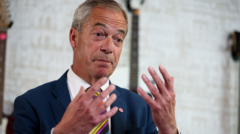
Nigel Farage extended an olive branch to Britain's union movement, inviting major labor organizations to join Reform UK's political tent. The overture fell flat. Unite, one of the country's largest unions, rejected the pitch outright, accusing Farage of being fundamentally hostile to workers' interests.
Farage pitched openness and collaboration, framing Reform UK as a party willing to listen across divides. His rhetoric emphasized inclusivity and a willingness to work with organized labor on shared priorities. The gesture appeared designed to broaden Reform UK's appeal beyond its core base and signal that the party takes working-class concerns seriously.
Unite's response was sharp and unambiguous. The union characterized Farage not as a potential partner but as an adversary to worker protections and labor rights. The rejection taps into longstanding labor movement skepticism toward Farage's political positions, which unions view as fundamentally at odds with their membership's interests. His track record on employment standards, immigration policy, and social protections forms the backdrop for this dismissal.
The snub reflects deeper ideological tensions. Reform UK's anti-establishment messaging and immigration-focused platform appeals to working-class voters in post-industrial regions, yet traditional unions see Farage's economics as threatening to organized labor's core mission. Unite's stance signals that despite Farage's attempts at bridge-building, major institutional players in the labor movement remain unconvinced of his bona fides.
Other unions have not yet formally responded to Farage's invitation, but Unite's prominent rejection sets a tone. For Farage to gain traction with organized labor, he would need to shift positions that unions consider foundational to worker welfare, a move unlikely to happen. Reform UK faces a paradox: winning working-class votes while remaining anathema to the institutions historically tasked with defending workers.