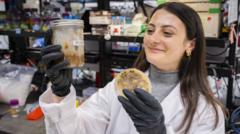
Fermentation is transforming food industry waste into profitable products with real market demand. Byproducts that once landed in landfills, rice bran, whey, spent grains, and vegetable scraps now feed fermentation processes that yield shelf-stable ingredients, condiments, and proteins.
Companies like Nourish are using fermented byproducts to create meat alternatives. Meanwhile, startups such as NotCo leverage fermentation science to develop plant-based products that mimic animal proteins in texture and taste. The approach cuts waste while reducing production costs, a double win as food manufacturers face pressure to shrink environmental footprints and improve margins.
Fermentation isn't new, but industrial scaling of the technique represents a shift in how major food processors handle surplus materials. Traditional fermentation already drives billions in revenue across soy sauce, kimchi, kombucha, and tempeh markets. The innovation here lies in applying those microbial processes to previously discarded streams.
Sustainability trends drive consumer interest. Gen Z and millennial shoppers demand transparency about waste and environmental impact. Brands that position fermented byproducts as premium ingredients rather than waste capture this market segment. A fermented rice bran product carries different messaging than "processed leftover grain."
The economics work too. Fermentation adds minimal processing steps compared to traditional waste management. Microbes do the heavy lifting. The result commands higher prices than the original byproduct would fetch as animal feed or compost.
Regulatory frameworks support the trend. The FDA recognizes fermented ingredients as safe for human consumption when processed correctly. EU regulations increasingly favor circular economy practices, making byproduct fermentation an attractive compliance pathway.
As food companies face mounting pressure to reduce waste and improve sustainability credentials, fermentation offers a practical solution that also opens new revenue streams and products. The ancient microbial trick becomes modern supply chain strategy.