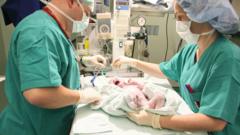
Emergency caesarean sections now account for one in four births in England, according to BBC analysis of NHS data. The rate has climbed steeply over the past five years, raising questions about maternity care capacity and clinical decision-making across the health system.
The data reveals regional variation, with some NHS trusts reporting emergency caesarean rates exceeding 30 percent. Obstetrics experts attribute the rise to multiple overlapping factors rather than one dominant cause. Staffing shortages in maternity units have created pressure on clinical teams to intervene faster when labor complications emerge. Maternal obesity and older maternal age at first pregnancy also contribute to higher intervention rates, as both increase obstetric risk.
The NHS has faced chronic workforce challenges in maternity services. Midwife vacancies and consultant-level staffing gaps leave remaining teams stretched thin, potentially lowering thresholds for surgical intervention. Some hospitals lack sufficient capacity to provide continuous labor support, a factor known to reduce unnecessary interventions.
Clinicians also cite defensive medicine concerns. Rising medico-legal cases make teams risk-averse when fetal distress signals appear, even if vaginal delivery remains possible. Women's changing expectations around labor and greater access to information about caesarean safety have shifted some patient preferences as well.
The rise matters because emergency caesareans carry higher complication rates than planned procedures. Recovery is longer, infection risk increases, and maternal mortality risks rise. For the NHS, the trend strains already-overburdened theatre capacity and post-operative bed availability.
Experts stopped short of declaring the rise a crisis but flagged the need for urgent review. Better midwifery staffing, renewed focus on continuous labor support, and clearer clinical guidelines on intervention thresholds could help moderate rates. The figures underscore how maternity services remain under severe strain across England's health system.