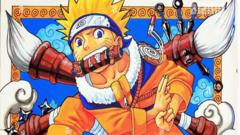
Donald Trump's use of anime characters in promotional materials has sparked a backlash among fans and creators in Japan. The US president has deployed images of iconic characters including Pikachu from the Pokemon franchise and Naruto from the series of the same name without apparent authorization or compensation to their copyright holders.
The controversy centers on intellectual property rights and cultural respect. Pokemon and Naruto represent billions of dollars in global revenue for Japanese companies Nintendo and Bandai Namco respectively. Using these characters for political promotion without licensing agreements violates standard entertainment industry practices and potentially Japanese copyright law.
Japanese anime fans have expressed frustration on social media, viewing Trump's actions as exploitative of their cultural exports. The incident raises questions about how American political figures navigate international IP regulations and cultural sensitivities. Japan's entertainment industry guards its intellectual property fiercely, particularly with anime and manga properties that generate massive streaming and merchandise revenue worldwide.
The backlash reflects broader tensions around cultural appropriation and commercial use of protected media. Anime characters carry specific cultural significance in Japan and command strict usage protocols globally. Political campaigns typically secure licensing before deploying copyrighted material, making this apparent oversight notable.
Neither the Trump campaign nor the relevant Japanese rights holders have issued formal statements addressing the unauthorized use. The incident underscores how digital culture and geopolitical relations intersect in the modern media landscape. As anime continues gaining mainstream Western popularity through platforms like Netflix and Crunchyroll, the stakes for protecting these assets only intensify. The controversy serves as a test case for how American political actors engage with internationally protected cultural properties.