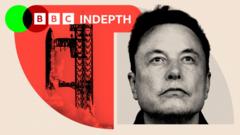
SpaceX is moving toward a public offering that marks Elon Musk's boldest financial play yet. The spaceflight company, valued at roughly $210 billion in private markets, prepares to enter public markets in what analysts expect to be one of the largest IPOs in recent years.
The timing reflects confidence in SpaceX's business model. Starship launches have accelerated development timelines. Government contracts for national security missions continue flowing from the Pentagon and Space Force. Starlink, the satellite internet subsidiary, generates recurring revenue and reaches profitability on a path that rivals traditional telecom operators.
For Musk personally, the IPO could unlock billions in paper wealth. SpaceX's private equity rounds have made Musk's stake one of his most valuable holdings, second only to Tesla. A public listing lets him diversify holdings while maintaining operational control through share class structures.
The broader market implications cut deeper. SpaceX's debut would signal investor appetite for space economy plays at scale. Recent failures in space stocks, from Virgin Galactic to Axiom Space, created skepticism around aerospace IPOs. SpaceX's operational maturity, government revenue base, and commercial traction flip that narrative.
Wall Street expects aggressive valuations. Comparables don't exist. SpaceX operates outside traditional aerospace peer groups. Analysts may price in Starlink's upside potential alone, justifying valuations north of $250 billion in public markets.
The risks remain substantial. Starship's development costs remain opaque. Competition from Amazon's Project Kuiper threatens Starlink's satellite internet dominance. Regulatory changes to launch licensing or spectrum allocation could derail growth assumptions.
Musk's track record suggests he'll pursue maximum leverage from the offering. Historical precedent shows his companies command premium valuations on growth narratives and his personal brand. SpaceX fits that mold perfectly. Government backing plus commercial momentum equals institutional investor demand.
The offering transforms not just SpaceX's capital structure but Musk's wealth hierarchy and the space industry's public equity landscape.