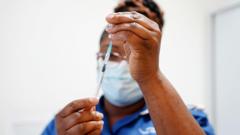
An official inquiry into the UK's COVID-19 vaccine rollout concluded the campaign ranks among the most successful public health initiatives ever undertaken. The vaccination program saved an estimated hundreds of thousands of lives across the nation.
The report praised the speed and scale of the operation, which deployed millions of doses across the population in record time. Health officials coordinated with NHS trusts, pharmacies, and community centers to establish vaccination sites nationwide. The logistics alone represented an extraordinary organizational feat during an unprecedented crisis.
However, the inquiry also identified a critical gap. A small minority of people who experienced adverse reactions from the vaccines lacked adequate support and compensation mechanisms. The report calls for improved systems to identify, monitor, and assist those harmed by vaccination, alongside better communication about rare side effects.
The findings balance celebration of the rollout's massive public health success against acknowledgment that some individuals fell through support cracks. Officials have begun reviewing compensation schemes and medical follow-up protocols for affected patients.
The timing matters. As public health officials evaluate lessons from the pandemic response, this inquiry provides data-driven assessment of what worked and what needs fixing. The vaccine program's speed saved lives when COVID-19 overwhelmed hospitals. Yet moving forward, authorities must strengthen safeguards for the small population experiencing negative outcomes.
The report underscores that large-scale medical interventions require both rapid deployment capacity and robust support infrastructure for those experiencing complications. The UK's vaccine rollout succeeded on the first count but requires improvement on the second.