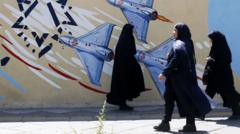
Iran's recent military posturing signals a shift in regional dynamics that could reshape nuclear negotiations. The escalation, which followed Israeli strikes on Iranian territory, positions Tehran as willing to absorb pressure while demonstrating military capability. Iran's leadership believes Donald Trump's return to the White House creates an opening for leverage, given the incoming administration's stated preference for deal-making over extended conflict.
The timing matters. Trump previously withdrew from the Joint Comprehensive Plan of Action (JCPOA) in 2018, but his team has hinted at willingness to negotiate a new agreement. Iran calculates that by showing restraint while maintaining a credible deterrent, it strengthens its hand at the bargaining table. The nation's ballistic missile capabilities and demonstrated willingness to use them provide concrete leverage where economic sanctions alone failed.
Israeli operations targeted Iranian military infrastructure, but Tehran's measured response suggests strategic patience rather than capitulation. Rather than escalate further, Iranian officials telegraphed their position: they possess the ability to strike but prefer negotiation. This approach directly contradicts Trump's characterization as weak, instead framing Iran as rational and prepared.
The geopolitical stakes extend beyond bilateral U.S.-Iran talks. Saudi Arabia, the UAE, and other regional players watch closely. A Trump administration deal with Iran could realign Middle Eastern power structures and potentially ease tensions that have destabilized oil markets for years. Conversely, failed negotiations risk another cycle of sanctions and military posturing.
Intelligence analysts assess that Iran's restraint reflects confidence in Trump's transactional approach. The incoming president faces pressure from both Israel and his own base, but his economic priorities may favor resolving the standoff through diplomacy rather than prolonged confrontation. Iran's leaders believe they've demonstrated strength without triggering the total war scenario that would devastate their economy. This calculus could define the next phase of Middle Eastern statecraft.