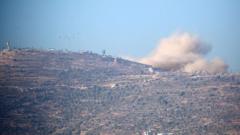
Iran and Israel both signaled restraint on military action, though tensions remain volatile along fragile lines of deterrence. Israel's Prime Minister stated the country is holding fire "at the moment," coming after Iran's armed forces announced a halt to military operations. The dual pause marks a temporary de-escalation in a conflict that has threatened to engulf the broader Middle East.
Both nations issued explicit warnings. They each threatened swift retaliation if the other breaches the ceasefire terms. Israel emphasized its readiness to strike if attacked, while Iran similarly vowed response to any Israeli aggression. The conditional nature of the pause underscores how precarious the current situation remains.
The standoff reflects months of tit-for-tat escalation between the two regional powers. Israel conducted airstrikes against Iranian military targets earlier this year, and Iran responded with direct missile and drone attacks. These cycles of retaliation have repeatedly brought the region to the brink of wider conflict.
International pressure from the US and allies has pushed both sides toward restraint. Diplomacy channels remain open, though substantive negotiations have stalled. The pause offers space for diplomatic efforts, but the underlying grievances and security concerns separating Tehran and Jerusalem persist unchanged.
What happens next depends on whether either side interprets the other's actions as hostile. Past ceasefires in this conflict have collapsed within days. Intelligence assessments from US officials suggest both governments genuinely seek to avoid full-scale war, but miscalculation or a third-party escalation could reignite hostilities quickly. The pause buys time but settles nothing.