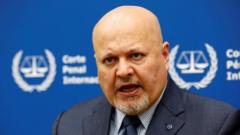
The International Criminal Court suspended chief prosecutor Karim Khan over sexual misconduct allegations, marking a major blow to the institution's leadership during a period of intense global scrutiny.
Khan firmly denies all claims against him. His legal team rejected the suspension decision in the strongest terms, signaling they plan to challenge the ruling. The investigation that preceded the suspension examined multiple misconduct allegations lodged against Khan while he served in his prosecutor role.
The suspension arrives at a fraught moment for the ICC. The court faces mounting criticism from multiple nations over its handling of high-profile cases and its perceived political biases. Khan's removal from the top prosecutorial post creates leadership instability just as the institution confronts questions about its credibility and independence.
Khan, a veteran international lawyer who has prosecuted war crimes cases across Africa and the Middle East, built his reputation pursuing accountability in conflict zones. His appointment as chief prosecutor in 2021 carried hopes he would revitalize the court's enforcement mechanisms. Instead, the misconduct investigation has tainted his tenure and raised fresh questions about institutional safeguards and accountability within the ICC itself.
The suspension does not preclude Khan from returning if investigations clear him of wrongdoing. However, the court's action sends a signal that even top officials face scrutiny for alleged violations of conduct standards. The timing complicates ongoing investigations the ICC has opened into alleged war crimes, as the prosecutor's office navigates leadership uncertainty.
This moment tests whether the ICC can police itself credibly while maintaining public trust. The court's legitimacy depends partly on demonstrating it holds its own officials to the standards it demands of state actors. Khan's suspension reveals internal vulnerabilities just as external pressure on the institution mounts.