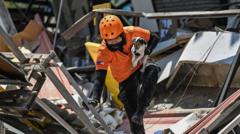
A 7.0-magnitude earthquake struck the Philippines' southern region, killing dozens with hundreds injured. Officials warn the death toll could climb as rescue teams work through rubble and aftershocks continue to rattle the area.
The quake hit a heavily populated zone, causing widespread structural damage to homes, schools, and hospitals. Hundreds of aftershocks followed the initial tremor, complicating rescue operations and forcing residents to remain outdoors despite ongoing danger. Local authorities deployed emergency response teams across affected provinces, searching for survivors trapped under collapsed buildings.
The Philippines sits along the Pacific Ring of Fire, making it one of the world's most seismically active regions. This earthquake ranks among the deadlier quakes to strike the country in recent years. Hospitals treating injured residents reported overwhelming patient loads, with some facilities themselves damaged by the initial shock and subsequent tremors.
Communications disruptions in remote areas delayed initial casualty reports, meaning real-time death tolls remained incomplete. Officials stressed that as recovery efforts progressed, confirmed fatalities would likely increase. The government mobilized disaster response resources and requested international aid to accelerate search and rescue operations.
Aftershock swarms persisting for days after major quakes create hazardous conditions for rescue workers and survivors alike. Structural engineers warned that buildings weakened by the initial earthquake could collapse during stronger aftershocks, forcing evacuations and complicating access to affected zones.
The disaster underscored the Philippines' vulnerability to natural hazards and the strain such events place on the country's emergency infrastructure and healthcare systems.