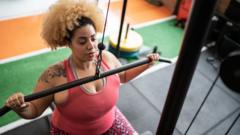
New research confirms that two hours of strength training per week substantially cuts mortality risk across the general population. The findings emerge from studies examining the relationship between resistance exercise and longevity, with data showing consistent benefits regardless of age or baseline fitness level.
Strength training addresses multiple health markers simultaneously. It builds lean muscle mass, which declines naturally with age and correlates directly with metabolic function and injury prevention. Beyond muscle, resistance work improves bone density, cardiovascular markers, and metabolic control. These changes translate to reduced risk of heart disease, type 2 diabetes, and certain cancers.
The two-hour threshold aligns with existing public-health guidance. Most health organizations recommend at least two sessions of muscle-strengthening activities weekly, though this research quantifies the mortality benefit in clearer terms. The data holds across demographics, suggesting the protective effect isn't limited to young, athletic populations but extends to middle-aged and older adults who adopt strength training.
The research arrives as gym memberships and home fitness adoption remain elevated post-pandemic. Strength training has shifted from niche athlete territory into mainstream wellness discourse. Platforms like TikTok and Instagram have democratized access to resistance-training knowledge, while equipment manufacturers report sustained demand for dumbbells and barbells.
This evidence matters for public health messaging. Most fitness campaigns emphasize cardio, yet resistance work delivers comparable or superior longevity outcomes. The low barrier to entry amplifies the message's reach. Bodyweight exercises, resistance bands, and affordable equipment all deliver results. No expensive gym membership or specialized coaching is required to access these mortality benefits.
The findings reinforce what epidemiologists have increasingly documented. Strength training isn't optional supplementation to cardiovascular fitness. It's foundational to healthy aging and disease prevention, with measurable impact on how long people live.