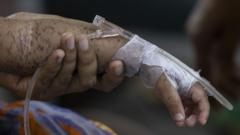
Bangladesh faces a measles crisis after reporting more than 60,000 suspected cases in just over two months. Hundreds of children have died from the highly contagious viral infection during this outbreak.
The surge represents a sharp spike in measles transmission across the country. Health officials attribute the outbreak partly to gaps in vaccination coverage, which leaves vulnerable populations exposed to rapid disease spread. Measles remains preventable through the MMR vaccine, yet low immunization rates in certain regions have created conditions for the virus to spread unchecked among children.
The mortality toll underscores how quickly measles can turn fatal without proper medical intervention. Children under five and those with malnutrition or immunocompromised conditions face the highest risk of severe complications and death. Bangladesh's healthcare system, already strained by resource constraints, struggles to manage the volume of cases and provide adequate treatment for those developing pneumonia, encephalitis, and other serious complications.
This outbreak reflects broader vaccination challenges across South Asia. War, poverty, misinformation, and limited healthcare access have disrupted immunization programs in multiple countries throughout the region. The World Health Organization has warned repeatedly about resurgent measles in areas where vaccination rates fall below critical thresholds needed to maintain herd immunity.
Bangladesh authorities have launched emergency vaccination campaigns to contain spread. Public health teams are working to identify unvaccinated children and administer doses in affected communities. Without rapid intervention, health experts warn the outbreak could persist and claim more young lives over coming months.
The crisis serves as a stark reminder that measles, once considered nearly eliminated in developed nations, remains a serious threat in areas where vaccination infrastructure remains weak or disrupted.