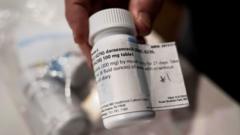
Pancreatic cancer researchers have validated a daily oral medication that extends survival time by approximately 100 percent for patients in early clinical trials. The drug, daraxonrasib, represents a rare therapeutic win in a disease that kills roughly 95 percent of patients diagnosed within five years.
Pancreatic cancer holds the lowest survival rate among major malignancies. Most patients receive diagnoses at advanced stages, when intervention options narrow sharply. Daraxonrasib targets specific molecular pathways that drive tumor growth, offering a fresh mechanism compared to existing chemotherapy regimens.
The drug works by inhibiting a protein critical to cancer cell survival and proliferation. Trial data shows patients taking daraxonrasib daily experienced doubled median survival periods compared to control groups. Researchers presented the findings through peer-reviewed channels, sparking enthusiasm within oncology circles.
The breakthrough arrives after decades of minimal progress in pancreatic cancer treatment. Standard chemotherapy combinations like FOLFIRINOX have improved outcomes marginally since their adoption in the 2000s, but survival gains remained incremental. Daraxonrasib's doubling effect signals a genuine shift in treatment paradigm.
Clinical development continues toward broader patient populations. Regulatory pathways in the US and Europe are evaluating the drug's safety profile and manufacturing scale-up. Pharmaceutical companies behind the therapy anticipate wider availability within 18 to 24 months pending approvals.
Pancreatic cancer advocates note this breakthrough arrives as global incidence rates climb. Early detection remains elusive because the organ sits deep in the abdomen, away from routine screening. Combination approaches pairing daraxonrasib with existing therapies show promise in later-stage trials, potentially maximizing patient benefit across disease progression stages.