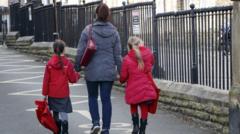
A UK MP has raised alarm over pupils being asked to walk to school through an active army firing range, highlighting a growing crisis in school transport logistics. The claim underscores escalating tensions between local authorities struggling to manage pupil safety and limited resources for dedicated school routes.
The MP's assertion points to a breakdown in coordination between education authorities and military installations. Schools already face unprecedented budget constraints, with councils cutting transport services and forcing families to seek alternative solutions. Walking routes through designated firing ranges represent an extreme example of this pressure bearing down on both families and local government officials tasked with safeguarding children's welfare.
The incident reflects broader challenges facing UK education infrastructure. Post-pandemic, many councils have slashed school transport budgets significantly. Parents increasingly shoulder responsibility for getting children to classrooms. In rural areas especially, the absence of viable public transport compounds these difficulties, leaving families with dangerous or impractical options.
Schools across England, Scotland, Wales, and Northern Ireland report similar struggles. Some pupils now walk miles along roads without pavements. Others rely on makeshift arrangements with neighbors or longer commutes. Transport officers juggle safety concerns against fiscal reality, often with inadequate funding from central government.
The firing range claim, though extreme, illustrates how desperation drives questionable decisions. Local authorities working within constrained budgets sometimes resort to routing pupils through unconventional and hazardous pathways. Military installations typically maintain clear protocols around public access, making this particular case notable for its apparent breach of standard safety procedures.
MPs from various parties have increasingly scrutinized school transport policy. The government faces mounting pressure to adequately fund safe routes to education, preventing councils from forcing unacceptable compromises on pupil safety.