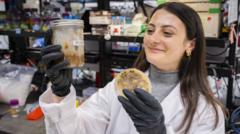
Fermentation transforms food processing waste into profitable, flavorful products. Rather than discarding byproducts from vegetable peeling, grain milling, and fruit processing, food manufacturers now apply centuries-old fermentation techniques to create marketable goods.
The process works by leveraging beneficial bacteria and microorganisms to break down organic matter. Vegetable scraps become tangy condiments. Spent grains evolve into nutrient-rich pastes and seasonings. Fruit pulp converts into vinegars and umami-packed ingredients for sauces.
This shift addresses two business imperatives simultaneously. Companies reduce landfill costs and waste management expenses while generating new revenue streams from materials previously written off as losses. The fermented products command premium prices in specialty food markets, where consumers pay extra for artisanal, traditionally-produced ingredients.
Sustainability credentials strengthen brand positioning. Food processors increasingly market fermented byproducts as zero-waste solutions, appealing to environmentally conscious retailers and consumers. Transparency about sourcing and production methods differentiates products in crowded markets.
The trend extends across food categories. Breweries ferment spent grain into crackers and nutritional supplements. Juice producers turn pomace into vinegars. Bakeries transform flour mill dust into flavorful seasonings. Each application represents recaptured value from what was once disposal expense.
Fermentation also improves nutritional profiles. The fermentation process increases bioavailability of nutrients and introduces beneficial probiotics. Products gain functional food positioning, justifying higher retail prices.
Scaling challenges remain real. Fermentation requires precise temperature control, time management, and quality consistency. Equipment investments and process development demand capital. Regulatory frameworks around fermented foods vary by region, complicating distribution.
Food companies increasingly partner with fermentation specialists and biotech firms to accelerate product development. Larger players acquire fermentation startups to integrate capabilities quickly. Innovation funding flows toward companies solving the byproduct problem at industrial scale.
The economics are compelling. Converting waste to premium products dramatically improves margins while reducing environmental liability. As waste disposal costs