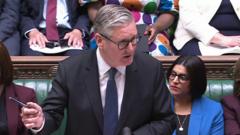
Prime Minister Keir Starmer has pushed back against Reform UK leader Nigel Farage's accusations of two-tier policing following the Nowak case, insisting the police operate fairly across all communities. Starmer rejected Farage's inflammatory rhetoric, which called for "pure, cold rage" in response to police conduct.
Farage seized on the Nowak incident to fuel broader claims that law enforcement applies different standards based on identity or background. The Reform UK leader used the case to amplify existing skepticism about institutional fairness, a narrative that resonates with his electoral base ahead of potential upcoming elections.
Starmer countered that such characterizations misrepresent how British policing functions. The Prime Minister defended the integrity of police forces and dismissed suggestions that politically motivated double standards exist within enforcement operations. He framed Farage's comments as opportunistic exploitation of a sensitive public safety matter rather than genuine critique of systemic issues.
The exchange reflects deepening tension between the government and the opposition regarding law and order messaging. Farage has consistently weaponized high-profile criminal cases to challenge public confidence in institutions, particularly when those cases involve perceived disparities in treatment. His rhetoric appeals to voters concerned about policing effectiveness and consistency.
Starmer's defense attempted to separate legitimate questions about specific incidents from broader accusations of institutional bias. The government maintains that individual police decisions should not trigger sweeping conclusions about systemic corruption or favoritism.
This confrontation underscores a core political divide. While Farage mobilizes populist anger around institutional credibility, Starmer positions himself as the defender of established systems and standards. The Nowak case serves both camps as a flashpoint for competing visions of British policing and justice.