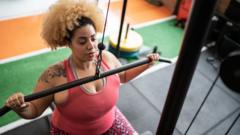
A new study suggests that two hours of weekly strength training correlates with reduced mortality risk across all age groups. Researchers examined data linking resistance exercise to longevity outcomes, finding that consistent weight work delivers measurable health benefits independent of cardiovascular activity.
The findings emerge as strength training gains traction in public health discussions. For decades, cardio dominated prevention messaging. Push-ups, weights, and resistance bands ranked lower in conventional fitness hierarchies. This research repositions weight training as a standalone intervention with direct ties to extended lifespan.
The mechanism appears straightforward. Muscle mass declines with age, particularly after 30. This loss, called sarcopenia, weakens bones, destabilizes metabolism, and increases fall risk. Regular resistance work counteracts these processes. Stronger muscles support better balance, metabolic function, and bone density. Each factor independently reduces early death risk.
The two-hour threshold matters for compliance. It's achievable for most people. Three 40-minute sessions weekly or two 60-minute workouts fit typical schedules. The study doesn't require gym memberships either. Bodyweight exercises, resistance bands, and household objects deliver equivalent benefits.
What separates this finding from earlier fitness research is scope. Previous studies often bundled strength training with cardio, making isolation difficult. This work directly attributes mortality reduction to resistance work alone. Age groups ranging from young adults to seniors showed consistent protective effects.
The data also addresses a persistent gap in exercise science. Most public health guidelines historically emphasized aerobic activity. Strength training appeared secondary. These results challenge that hierarchy. For populations struggling with chronic disease, frailty, or sedentary lifestyles, resistance work offers a practical entry point into fitness that addresses specific aging processes.
Health organizations will likely adjust recommendations. Current guidance from major institutions already includes strength training language, but prominence remains secondary to cardio. Evidence this direct may finally shift resources and attention toward muscle-building interventions in clinical and public health settings.