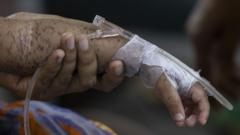
Bangladesh faces a measles crisis with more than 60,000 suspected cases recorded in just over two months, resulting in hundreds of child deaths. The outbreak reflects a sharp acceleration in transmission across the country, overwhelming healthcare systems unprepared for the surge.
Health officials attribute the rapid spread to gaps in vaccination coverage. Many children in Bangladesh remain unvaccinated or under-vaccinated against measles, a highly contagious viral disease. The situation worsened as routine immunization programs fell behind during pandemic disruptions, leaving vulnerable populations exposed.
Measles kills through complications like pneumonia, encephalitis, and severe diarrhea. Children under five face the highest mortality risk, particularly those malnourished or living in crowded conditions. Bangladesh's healthcare infrastructure struggles to manage patient volume and provide adequate treatment resources across rural and urban areas.
The outbreak demands immediate intervention. Health authorities have launched emergency vaccination campaigns targeting at-risk communities. International health organizations have mobilized support to increase vaccine availability and train healthcare workers in outbreak response.
Bangladesh's measles crisis underscores persistent immunization challenges in South Asia. Despite decades of global eradication efforts, measles remains deadly where vaccination coverage lags. The country must rebuild its routine immunization programs, strengthen surveillance systems to detect outbreaks early, and ensure equitable vaccine access across all regions.
This event mirrors measles resurgences elsewhere, driven by vaccination hesitancy, supply disruptions, and health system weaknesses. Measles elimination requires sustained commitment to high immunization coverage rates above 95 percent. Bangladesh faces months of sustained effort to contain current cases and prevent future outbreaks.