Rhun ap Iorwerth, Wales's incoming first minister, faces immediate pressure to resolve the M4 relief road saga, a decades-long infrastructure debate that has stalled under previous administrations. The new leader has inherited a thorny transport crisis without committing to a specific path forward.
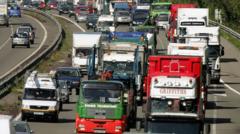
The M4 corridor between Cardiff and Swansea represents a critical bottleneck for Welsh commerce and commuters. Multiple proposals have circulated for years, including a new relief road, smart motorway technology, and hybrid approaches. Each carries distinct trade-offs involving cost, environmental impact, and construction timelines. Previous administrations shelved or delayed decisions repeatedly, frustrating businesses and residents reliant on the route.
Ap Iorwerth's position remains deliberately noncommittal. He has acknowledged the urgency but stopped short of endorsing any single solution. This hedging reflects the political minefield surrounding transport investment in Wales. A new motorway triggers environmental concerns from campaigners. Smart technology alone faces skepticism from those demanding tangible capacity improvements. Any choice risks alienating voters and stakeholders across his coalition.
The timing matters. Supply chain disruptions and economic recovery post-pandemic have renewed calls for infrastructure action. Welsh businesses argue that congestion costs productivity and competitiveness. Meanwhile, Wales pursues net-zero targets that could conflict with major road expansion.
Ap Iorwerth must navigate competing demands from cabinet members, local authorities, business groups, and environmental advocates within months. His early reluctance to commit suggests either genuine deliberation or political caution. Either way, further delays damage economic confidence in Wales. The M4 relief decision will define his opening months as first minister and test his capacity to make hard choices when consensus eludes him.