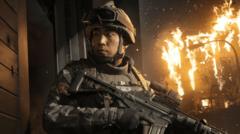
Infinity Ward's next Call of Duty installment will feature a North Korean invasion as its campaign setting, marking a return to the franchise's geopolitical storytelling roots. The developer emphasized the game will remain "grounded in the military authenticity" that defines the series, positioning the narrative within established Call of Duty conventions despite the inflammatory subject matter.
The premise taps into a longstanding franchise tradition of using real-world tensions as backdrops for single-player campaigns. Previous Call of Duty titles have explored Russian aggression, Middle Eastern conflicts, and Cold War scenarios. North Korea represents a continuation of this approach, though the choice invites scrutiny given ongoing diplomatic sensitivities and the country's actual nuclear weapons program.
Infinity Ward's framing around authenticity signals an attempt to differentiate this entry from competitors while managing controversy. The studio faces pressure to innovate within a franchise that shipped nearly 400 million copies lifetime but has seen declining engagement in recent years. Call of Duty's multiplayer ecosystem remains competitive, but single-player campaigns have struggled to match cultural relevance they held during the Modern Warfare era.
The setting choice also reflects broader industry trends. Geopolitical thrillers remain commercially viable, especially as players age into demographics that consume military fiction and political drama. However, the timing matters. Global tensions involving North Korea fluctuate, and narrative games increasingly face backlash when they weaponize real-world conflicts for entertainment without nuance.
Infinity Ward will likely walk a tightrope between honoring the campaign's military grounding and avoiding tone-deaf representations of a nuclear-armed nation. The franchise has navigated similar waters before, though not always cleanly. Success depends on execution, player reception, and whether the studio uses authenticity as cover for substantive storytelling or merely as marketing language for familiar shoot-and-explode sequences.