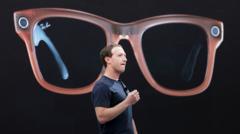
Meta's Ray-Ban smart glasses continue dominating the wearable market despite mounting criticism over privacy risks. The devices, which feature built-in cameras and AI capabilities, have become the company's fastest-growing hardware product, with sales accelerating through 2024.
The privacy backlash reflects genuine concerns. Smart glasses equipped with cameras can record conversations and capture faces without explicit consent from those being filmed. Regulators across Europe and North America have flagged the technology as potentially problematic under data protection laws. Privacy advocates argue the devices normalize covert recording in public spaces.
Yet sales momentum tells a different story. Meta, Apple, and other manufacturers report strong demand. Meta's Ray-Ban collaboration with EssilorLuxottica has proven the smart glasses category viable at consumer scale, something industry skeptics doubted five years ago. The latest versions include improved AI features like real-time translation and object recognition, making them more useful than earlier generations.
The disconnect between privacy concerns and purchase behavior reveals consumer priorities. Buyers prioritize convenience and social status over privacy risks that feel abstract. Marketing emphasizing AI capabilities and fashion appeal has resonated more than warnings from advocacy groups.
Regulatory action could shift this equation. The UK Information Commissioner's Office and EU privacy authorities are investigating whether smart glasses comply with surveillance and data protection rules. Some jurisdictions may restrict their use in public spaces or require explicit consent protocols.
For now, Meta controls the market. Its glasses cost $299 and integrate seamlessly with Instagram, WhatsApp, and other Meta services. Apple's Vision Pro targets a different segment, while emerging competitors from startups lack distribution scale. Meta's first-mover advantage in affordable smart glasses leaves room to absorb regulatory headwinds without losing market share, at least in the near term.